Ukraine Can Win and Will Win They Loose Men But Not at The Rate of 1 to Russia 10
 |
We have the shadow of war knocking at Europe’s door, the armed forces minister Al Carns, the much-decorated Royal Marines veteran, explained in glorious mixed metaphor to assembled defence correspondents. He was opening the new military intelligence hub at RAF Wyton. Experts from seven different branches of the service confirmed that aggressive cyber and information operations by Russia on UK interests have gone up 50 per cent in the last year alone.
The message has been underscored by Nato’s civilian boss, secretary general Mark Rutte, the hugely experienced Dutch statesman. He said Europe and Nato must be ready for conflict with Russia “on a scale our grandparents and great-grandparents endured”.
Russia’s leadership is repeating that it does not want to “go to war with Europe, but is prepared for war” if it is provoked. The words are eerily similar to what the Kremlin said through the winter of 2021 about not intending to invade Ukraine, unless circumstances changed. The similarity in language and information tactics has alarmed UK defence intelligence and its sister agencies.
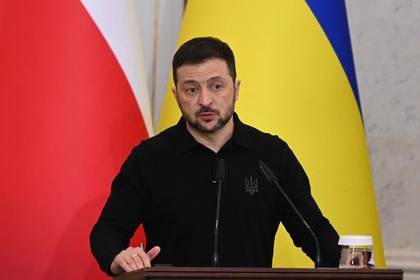
The question for the security of Europe now and for the coming winter months is whether Ukraine can hold out and be defended, now that Russia and America seem to be writing off its chances of survival? Trump has said that Ukraine cannot win, and must negotiate with Russia, implying the terms will be pretty unfavourable. Moscow is clearly bidding for regime change in Kyiv and for Ukraine to rejoin the Kremlin sphere of influence.
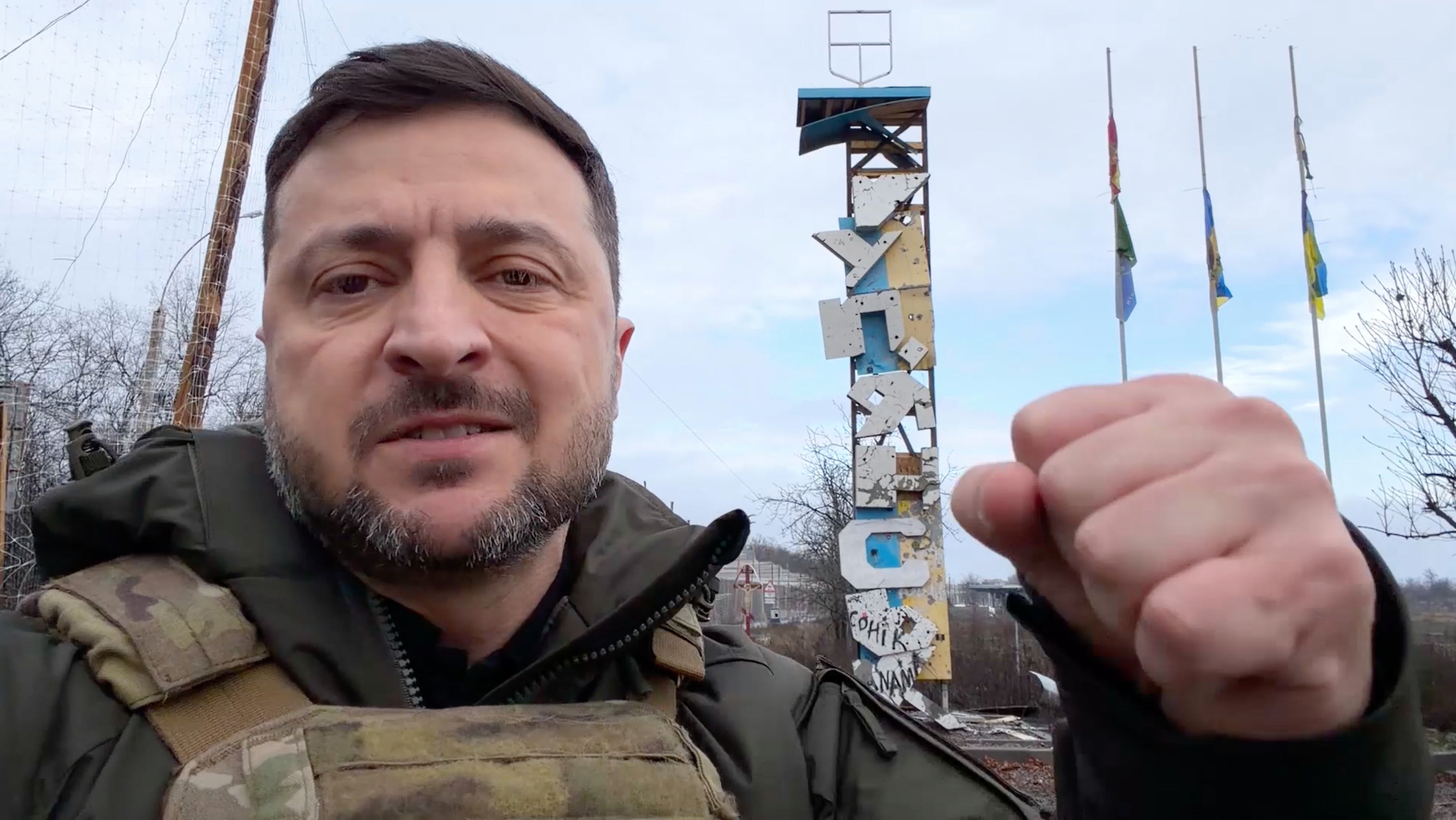
Can Ukraine hold out against renewed Russian aggression, America’s detachment and ambivalence, and with Europe needing to step up military support? Russia is making steady gains on the ground, though at a huge loss to its own forces. Ukraine’s forces are exhausted, its cities and civilian population are smashed from the air each night. The battle lines are overextended in Donetsk, Zaporizhzhia and Kherson. The sheer volume of attacks by increasingly sophisticated drones and glide bombs has ratcheted up. Ukraine is finding difficulty in drafting new soldiers and rotating forces in the field; there has been a marked rise in desertions. On the ground, Ukraine is still not losing decisively – the vital communications hub of Pokrovsk is still not under full Russian control after nearly 18 months of fighting. The triangle of fortress emplacements in northern Donetsk is still in Ukraine’s hands. Russian may be gaining on the ground – at the cost of between one and two thousand casualties a day, but it is not gaining enough.
 |
Ukraine and its allies have now to set priorities to support key areas – land warfare on the front line, air defences, deep strike attacks on Russian support areas and facilities, and in the maritime sphere in the Black Sea, and illegal and subversive activity in the Baltic.
Most urgent is the need to improve the air defence of the cities with missiles and drones. On the battlefield, Russia’s improved electronic warfare techniques and drones are proving a major challenge for Ukraine and for Nato’s armies. Germany, Poland and the UK are developing cheaper weaponry in quantity for defence and offence. The Patriot air defence missile and the UK’s Storm Shadow air-launched cruise missile cost well over a £1m each. The allies, with Ukraine, are developing surface-to-surface missiles, costing a few hundred thousand pounds, capable of striking up to 800 miles inside Russia.
These need to be delivered to Ukraine as quickly as possible – in weeks, not months. Ukraine’s deep strike campaign attacking rail hubs, refineries and switching stations appears to be having a real effect. Over the past six months, truck and rail freight car leasing fell by 60 per cent, and the state railways are in crisis, losing more than 10 per cent of all traffic over the year.
Greatest damage has been caused in the shipping of sanctioned oil and gas by the “shadow fleet” of uninsured tankers. The Ukrainians have all but closed the two main Russian oil ports in the Black Sea, so much so that Kazakhstan has stopped moving its oil to the terminal at Novorossiysk. Sea drones such as the Sea Baby, with considerable UK design input, have been especially effective. Russia swears revenge: the key Ukraine Black Sea ports and shipyards at Odesa and Mykolaiv are expected to come under intense Russian air bombardment in the coming weeks.
Russian hostile activity is set to increase through the Baltic and into the North Atlantic. Kaliningrad, in its enclave between Poland and Lithuania, is now Russia’s only port free of ice year-round. The tempo of Russian submarine incursions into UK home waters has surged. These are subtle but unmistakable signs of the pressure on Russia’s marine sector caused by the Special Military Operation in Ukraine. Of course, it needs no reminder that Moscow thought that the operation would take only 10 days. Now Moscow claims that it can tough its way through to victory, and surrender in Kyiv, in another year and a half. If the war lasts that long, the Russian economy will be shattered – and even China will be reluctant to pick up the pieces.


Comments