Trump Ambushes The Supreme Court, Seats in Front of The Justices Making History
 |
Newsbroadcast
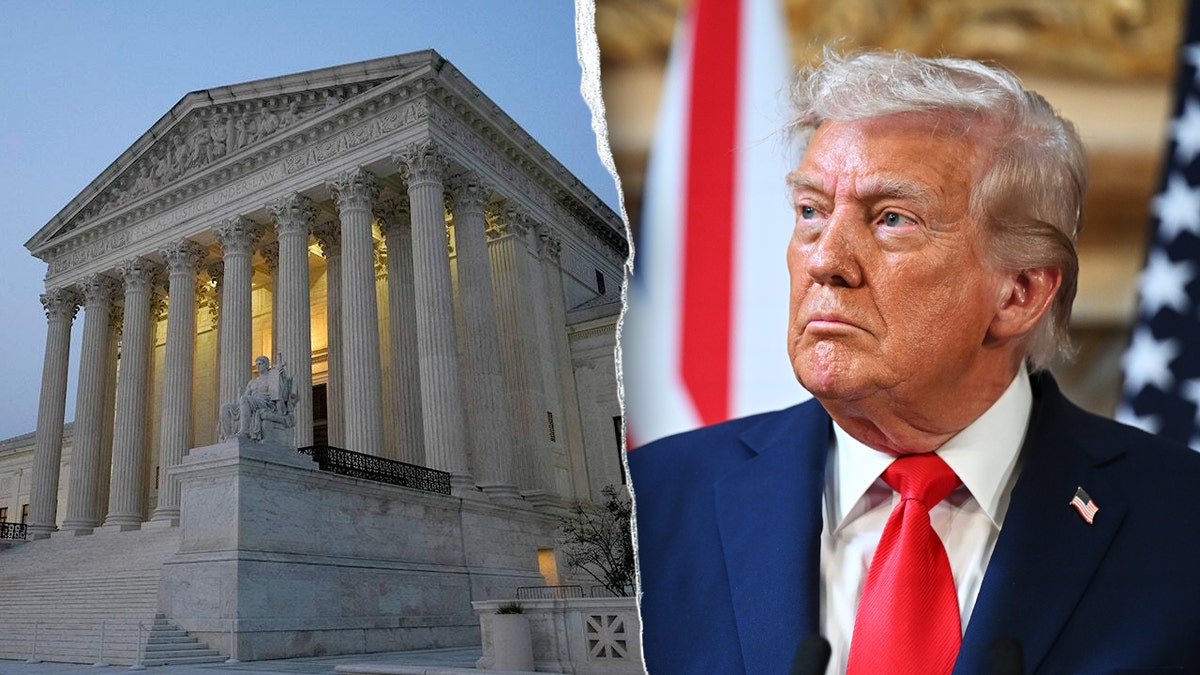
President Trump shattered precedent by sitting mere feet from Supreme Court justices as they grilled his administration over ending birthright citizenship—what did they say that left him stone-faced?
Story Highlights
Trump became the first sitting president to attend Supreme Court oral arguments on April 1, 2026, for his Day 1 executive order challenging birthright citizenship.
Justices expressed strong skepticism toward the administration’s novel 14th Amendment interpretation during the two-hour session.
Solicitor General D. John Sauer argued against decades of settled law, but lower courts had already blocked the order nationwide.
ACLU vowed to defend constitutional protections, dismissing Trump’s presence as a distraction.
Ruling expected by late June 2026 could reshape immigration policy and citizenship for millions.
Trump’s Historic Courtroom Presence
President Donald Trump entered the Supreme Court courtroom nine minutes before the April 1, 2026, session gavelled in. Dressed in a dark suit and red tie, he sat in the front row of the public section alongside Commerce Secretary Howard Lutnick and Attorney General Pam Bondi. Trump remained silent per court rules, closing his eyes briefly at times but staying alert through his Solicitor General’s 65-minute presentation. Chief Justice John Roberts ignored his presence entirely.
Trump departed seven minutes into ACLU lawyer Cecilia Wang’s rebuttal, passing notes with his aides beforehand. His exit came without comment after hearing justices voice skepticism. This marked the first time a sitting president attended oral arguments, distinct from prior ceremonial visits like investitures for Justices Gorsuch and Kavanaugh or Justice Ginsburg’s funeral.
((“Birthright citizenship is a cornerstone of our democracy, deeply rooted in the American legal tradition and enshrined in our Constitution,” said Carol Rose, executive director at the ACLU of Massachusetts. “The 14th Amendment and centuries of precedent categorically reject the maintenance of a permanent underclass. No good-faith reading of the law can hold otherwise. That is why we are asking the Supreme Court to unequivocally reject the Trump administration's unlawful attempt to strip away the fundamental American guarantee that every baby born in this country is equal.”
“Birthright citizenship has been the law of the land since the 14th Amendment was enacted in 1868,” said ACLU of Maine Executive Director Molly Curren Rowles. “It is a core reason that the United States has been seen for generations as a beacon of freedom and opportunity around the world. Successive waves of immigrants have shaped and reshaped every aspect of our society and culture, from the food we eat and the music we listen to, to our regional accents and religious practices. As Americans, we are bound by our values and commitment to a pluralistic, free society — not by our family heritage. We hope a decision in this critically important case can bring stability at a time when immigrant families across the country face increasing hostility, threats, harm, and uncertainty.”))
Executive Order Triggers Constitutional Clash
Trump signed the executive order on his first day in office, requiring parents to prove legal status before granting citizenship to U.S.-born children. Federal judges nationwide blocked it, citing the 14th Amendment’s guarantee of citizenship to nearly all born on American soil, regardless of parental immigration status. The administration appealed directly to the Supreme Court, seeking reversal.
Solicitor General D. John Sauer opened arguments by declaring the longstanding 14th Amendment interpretation incorrect. He claimed the citizenship privilege had been abused by illegal immigrants and temporary visitors. Justices pushed back hard, aligning with post-Civil War precedent and congressional laws supporting universal birthright citizenship.
Key Players and Heated Exchanges
Sauer faced a barrage of questions from a majority of justices skeptical of redefining citizenship via executive action. The bench appeared unified in supporting the amendment’s plain text: anyone born in the U.S. is a citizen. ACLU Executive Director Anthony D. Romero predicted the Court would school the administration on constitutional meaning, undeterred by Trump’s proximity.
Romero stated any distraction tactics would fail, as justices interpret the Constitution independently. Lower courts’ uniform rejections underscored the order’s legal frailty. Trump’s attendance signaled unwavering commitment to his immigration crackdown, including mass deportations and reduced refugee admissions.
Stakes for Citizenship and National Policy
A ruling upholding the order would upend citizenship for millions, requiring proof of parental legality and altering immigration enforcement. Rejection would reaffirm 14th Amendment protections, potentially halting Trump’s agenda momentum. State governments face implementation burdens either way, from birth certificates to school enrollments.
This case tests the Court’s appetite for overturning settled law. Trump’s physical presence blurred executive-judicial lines, setting precedent for future interactions. Justices’ tough questioning hints at headwinds, yet the administration bets on originalist readings favoring restrictions. Common sense aligns with securing borders without eroding constitutional bedrock.


Comments