After A Call From Trump Putin Refuses A full Ceasefire, Again Putin Makes a Fool of The Fool
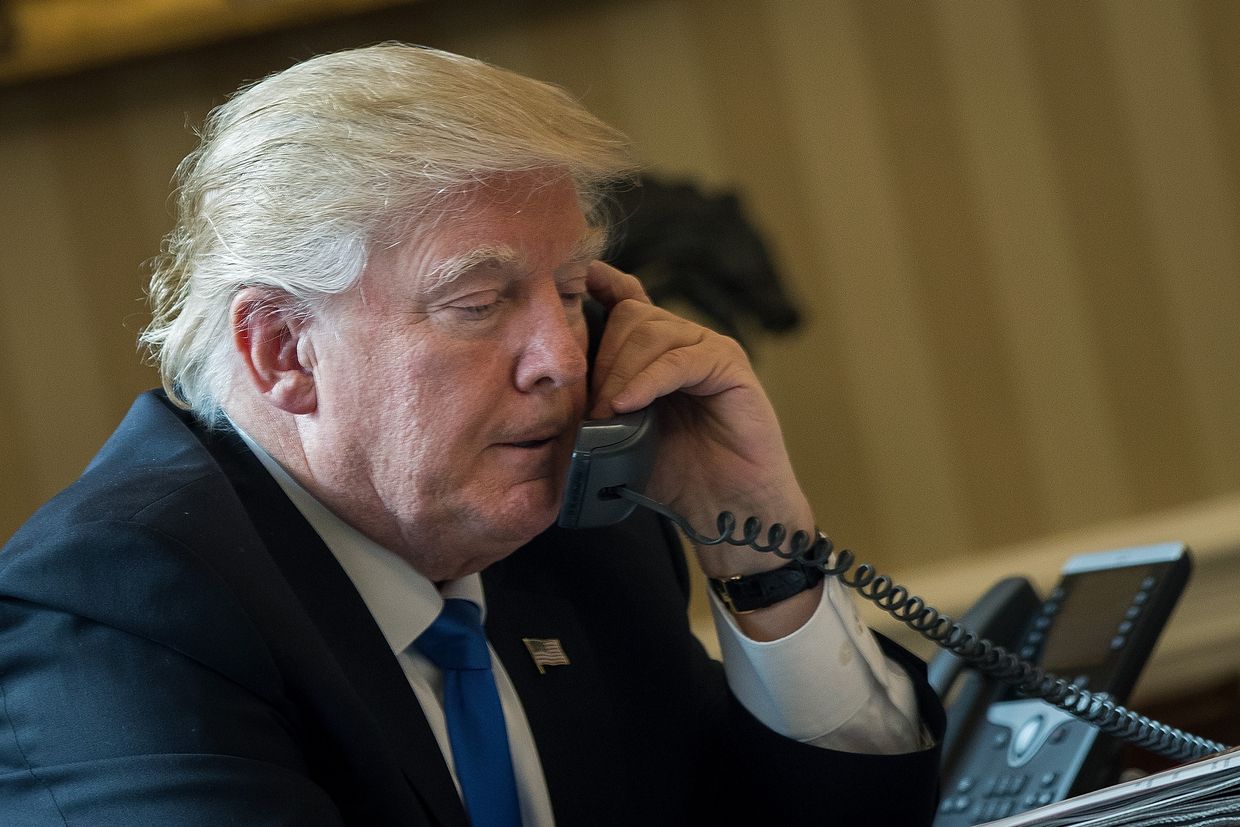 |
| President Donald Trump speaks on the phone with Russian President Vladimir Putin in the Oval Office of the White House, in Washington, DC, US, Jan. 28, 2017. (Drew Angerer/Getty Images) |
U.S. Vice President JD Vance said on May 19 that Trump intends to press Putin on whether he is genuinely interested in ending the war against Ukraine during their phone call.
"We realize there's a bit of an impasse here," Vance said from Italy, where he had attended the Vatican inauguration of Pope Leo XIV. "And I think the president's going to say to President Putin: 'Look, are you serious? Are you real about this?'"
Shortly before the call, Moscow sought to downplay expectations. Kremlin spokesperson Dmitry Peskovsaid that resolving Russia's war against Ukraine will involve "painstaking and lengthy work," as reported by the state-run news agency TASS.
The negotiations in Istanbul concluded without a breakthrough, though the two parties agreed to a 1,000-for-1,000 prisoner exchange this week.
Ukrainian and European officials have expressed frustration over what they see as Moscow’s refusal to engage in serious peace efforts.
After Russia proposed to hold peace talks in Turkey, President Volodymyr Zelensky agreed and invited Putin for a face-to-face meeting. The Russian leader declined to attend and appointed his aide, Vladimir Medinsky, to lead the talks.
Trump said that no real progress can be made without a direct meeting between himself and Putin.
"Nothing's going to happen until Putin and I get together," the U.S. president told reporters on May 15. He later added, "I think it's time for us to just do it."
Trump has downplayed Putin's absence at the Istanbul talks, saying, "Why would he go if I'm not going?" while positioning himself as a central broker in the peace effort.
The U.S. president has been inconsistent in his rhetoric toward the Russian leader, at times voicing frustration with the stalled peace efforts but mostly avoiding direct criticism of Putin.
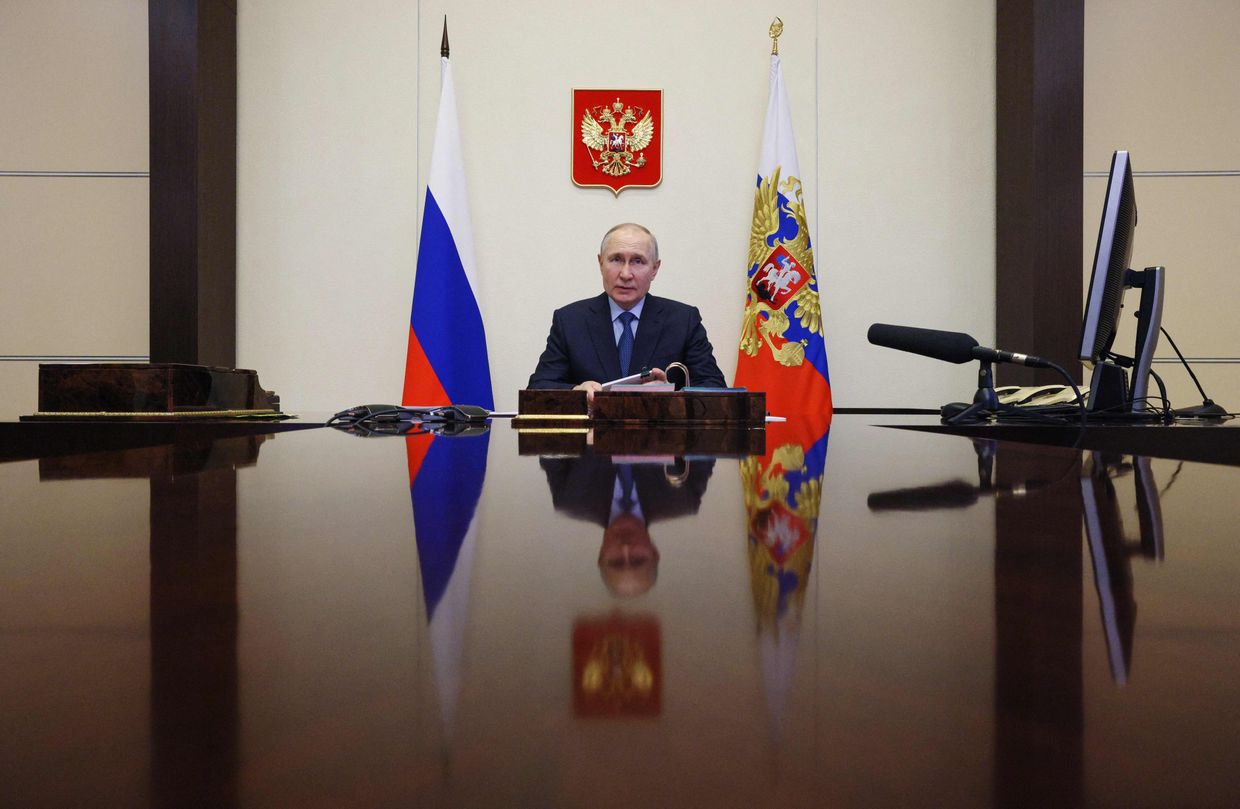
Despite U.S. efforts, Putin has shown little willingness to compromise to achieve a settlement. A breakthrough in the call with Trump is unlikely as the Kremlin's chief believes Russian forces can continue making progress on the battlefield, Bloomberg reported, citing an undisclosed source.
 |
Trump's approach has caused frustration and confusion among European allies, many of whom wanted him to back a joint U.S.–EU ultimatum for an unconditional ceasefire starting May 12 and tougher sanctions on Moscow. Despite Russia's refusal, no additional U.S. sanctions have so far been imposed.
German Chancellor Friedrich Merz, French President Emmanuel Macron, and U.K. Prime Minister Keir Starmer were scheduled to hold a preparatory call with Trump ahead of his conversation with Putin.
Trump is also expected to call Zelensky after talking with his Russian counterpart.
The U.S. president has often boasted about his supposedly warm ties with the Russian leader, though the two have not met since Trump returned to office this January.
The two presidents previously held a phone call on March 18, during which Putin rejected Trump's Kyiv-backed offer for a 30-day ceasefire but declared a pause on strikes against energy facilities, which Ukraine said was repeatedly violated.
Trump has adopted a more critical rhetoric toward the Kremlin recently amid Moscow's delays in peace negotiations and continued attacks on civilian areas in Ukraine.
At the same time, the new U.S. administration has also often used a scathing tone toward Ukraine, most notably during an explosive meeting between Trump and Zelensky in the White House in February. The two leaders held a second meeting on the sidelines of Pope Francis's funeral in April, which was described by both parties in more positive terms.
More:


Comments