Trump Tower III iin Sunny Isle, Florida is Sinking
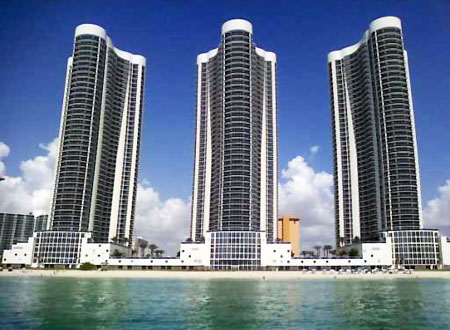 |
| Trump Towers Sunny Isles Beach |
A Miami high-rise carrying the Trump name is sinking, but the real story is how Florida’s laws let developers, architects, and brand licensors walk away long before the problems show up.
*This article was created, researched, and developed entirely without any use of AI.
By Senior Staff Writer, Edmond Thorne for OmniCom MultiMedia
Newsweek
Florida News Network: Miami — Trump Tower III sits on the sand of Sunny Isles Beach, one of 35 coastal towers that researchers say have quietly settled into the ground. A study out of the University of Miami, backed by scientists at the University of Houston, used satellite data to track tiny shifts in dozens of luxury buildings from Miami Beach to Sunny Isles between 2016 and 2023. The result? Buildings across that stretch sank as much as three inches in that span, and Trump Tower III was one of the towers named in the findings, along with Trump International Beach Resort, the Ritz-Carlton Residences and the Surf Club Towers.
Three inches doesn't sound like much. But when it happens unevenly across a 43-story tower, it can crack pipes, stress foundations, and open the door to bigger headaches down the road. Researchers pointed to construction vibrations as a leading cause, saying the shaking from nearby building projects can compact the soil underneath and cause it to settle. And in Sunny Isles specifically, the ground itself doesn't help. The soil there is a mix of sand and limestone that shifts more easily than solid bedrock, especially once you stack a skyscraper on top of it.
Why Trump's Name Is On The Building But Not On The Hook:
Here's where buyers, suppliers and cities get confused, and honestly, that confusion is kind of the point. Donald Trump did not build Trump Tower III. He didn't engineer it, pour its foundation, or pick its architect. Trump Towers is not owned, developed, or sold by the Trump Organization or any of its current or former principals or affiliates. Instead, the Trump Organization entered a licensing agreement with Dezer Development, granting use of the "Trump" name in exchange for fees while Dezer handled the actual construction, financing, and sales.
If you enjoyed the article, consider supporting Edmond and his investigative work by buying him a coffee at https://buymeacoffee.com/edmondthorne. Your support means a lot—thank you!
Sound like a sweet deal? It kind of is. This licensing setup let Trump expand his brand into luxury real estate without taking on direct ownership or operational risk, meaning the name sells the units, but somebody else answers for what happens after the ribbon gets cut. If a beam cracks or a foundation settles unevenly, the lawsuit doesn't go looking for a celebrity. It goes looking for the people who actually poured the concrete. That's not a conspiracy. It's just how the paperwork works. But it does mean that when a buyer sees "Trump" on the building and assumes that name comes with accountability, they're assuming wrong.
Florida's Ticking Clock On Developer Liability:
So who is actually responsible when a tower settles? In theory, the developers, engineers, and contractors who built it. In practice, Florida gives them an exit ramp, and it's a short one. In 2023, Florida lawmakers passed Senate Bill 360, which shortened the statute of repose for construction defect claims from ten years down to seven. That clock starts ticking the moment the last certificate of occupancy is issued, not whenever a crack finally shows up. A statute of repose is an absolute bar on claims after that window closes, no matter when the defect was actually discovered. Miss the deadline by a day, and the builder walks, even if the damage was there all along.
Why does that matter for a tower that finished construction back in 2010? Because that seven-year clock is a hard cutoff, not a suggestion, and subsidence is exactly the kind of problem that likes to hide. Settling can take years to show up as cracked tile, a sticking door, or a hairline fracture in a parking garage. By the time an owner notices something's wrong, the window to sue the people who built it may have slammed shut long ago. The university study documented movement in the ground, not a confirmed structural failure or proof of negligence. But the legal math around the clock still applies to how Florida treats these situations broadly, and that's the uncomfortable part.
Who's Actually Watching These Buildings:
You'd think a state full of coastal towers built on shifting sand would require somebody to keep an eye on long-term settling. Mostly, that's not how it works. Miami-Dade does require aging buildings to go through structural recertification, first at 25 to 30 years for coastal towers and every decade after that, a rule tightened up after the Surfside condo collapse killed nearly a hundred people in 2021. But that's a periodic checkup, not ongoing subsidence tracking.
Shockingly, Nobody is required to monitor a building's foundation year after year and flag slow, steady sinking before it becomes a real problem. That gap is what turns subsidence into a slow-motion game of hot potato. Developers move on, contractors close their books, and by the time real trouble surfaces, it often lands squarely on the condo association and the owners who never poured a single yard of concrete. Owners who counted on the prestige name to protect them from bad actors.
Florida Forward:
Nobody is saying Trump Tower III is about to collapse. It isn't. But the story underneath the story is bigger than one building or one famous name slapped on a facade. Miami's luxury coastline was built fast, sold hard, and planted on ground that moves.
Until Florida requires real ongoing monitoring of these towers and closes the gap between when problems start and when somebody has to answer for them, buyers up and down the coast are taking on a risk they were never told about. While the sand keeps shifting, the question is whether Florida's laws catch up to it before the next crack shows up.


Comments